





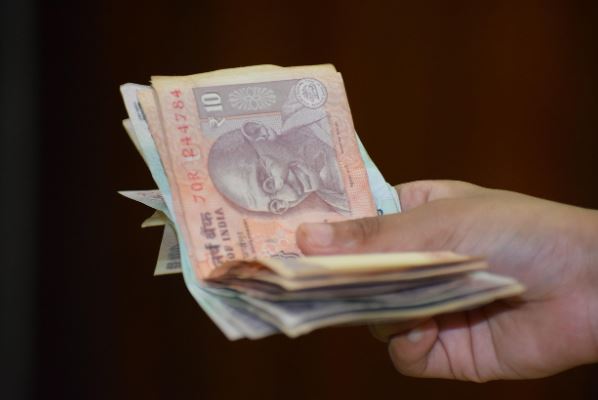
In a significant move aimed at developing a fully digital National Highway tolling ecosystem, the National Highways Authority of India (NHAI) is contemplating the complete discontinuation of cash transactions at National Highway fee plazas across the country from 1st April 2026.
As per information shared by the Press Information Bureau (PIB), once implemented, all toll payments at National Highway fee plazas will be processed exclusively through digital modes, including FASTag and Unified Payments Interface (UPI).
This proposed measure is aimed at consolidating the substantial progress achieved under the Electronic Toll Collection (ETC) system and further strengthening the efficiency, transparency, and reliability of National Highway toll operations across India.
Transition Towards a Fully Digital Tolling Ecosystem
Over the past several years, the adoption of FASTag has fundamentally transformed toll collection practices nationwide. With over 98 percent penetration, FASTag has enabled seamless, contactless, and automated toll payments using RFID technology affixed to vehicle windshields.
At present, an overwhelming proportion of toll transactions at National Highway fee plazas are processed electronically, significantly reducing the dependency on physical cash handling.
In addition to FASTag, UPI payment facilities have also been operationalized at toll plazas across the country. This ensures that commuters have access to instant, accessible, and widely accepted digital payment options at every National Highway toll point.
The proposed discontinuation of cash payments is therefore seen as a logical progression in India’s digital tolling journey.
Existing Fee Structure Encouraging Digital Payments
Under the prevailing National Highway fee rules:
Vehicles entering a fee plaza without a valid and functional FASTag and opting to pay in cash are charged double (2x) the applicable user fee.
National Highway users choosing to pay via UPI are charged 1.25 times the applicable user fee for their vehicle category.
These measures have already played a crucial role in reducing reliance on cash transactions and accelerating the shift toward digital toll payments nationwide.
The contemplated move to eliminate cash payments altogether would further reinforce this policy direction.
Addressing Operational Challenges at Toll Plazas
Plaza-level assessments have indicated that cash-based transactions contribute to:
Congestion at fee plazas
Increased waiting time, particularly during peak traffic periods
Transaction-related disputes
Reduced lane throughput
Operational inefficiencies
Even a small percentage of cash-paying vehicles can disrupt traffic flow, especially on high-density corridors and expressways.
A complete transition to digital-only payment modes is expected to:
Strengthen operational efficiency
Improve traffic management
Minimise delays
Enhance lane throughput
Increase consistency and transparency in toll transactions
Improve overall commuter experience
Impact Across 1,150+ Fee Plazas Nationwide
The proposed measure will impact more than 1,150 fee plazas located on various National Highways and Expressways across India.
For millions of daily commuters, commercial transport operators, and long-distance travelers, the shift is expected to deliver smoother, faster, and more predictable journeys.
The initiative aligns with NHAI’s broader objective of building a technology-driven, high-efficiency National Highway network that delivers seamless services and enhances the “Ease of Commuting” for National Highway users across the country.
The Road Ahead
If implemented from 1st April 2026, the discontinuation of cash transactions would mark a major milestone in India’s highway infrastructure modernization.
With near-universal FASTag adoption already in place and UPI systems operational nationwide, the transition is positioned as the next phase in strengthening the digital tolling framework.
Commuters are advised to ensure that their FASTag accounts remain active and adequately funded, and that alternative digital payment options such as UPI are readily available.
The move signals a decisive step toward a faster, contactless, and fully digitised highway travel experience across India.



Central Railway Food Price Hike: Vada Pav, Samosa, Dosa to Cost More at Stations From June 1
Fuel prices near record highs: How petrol, diesel hikes added nearly ₹5/litre in under 10 days
Railway ticket cancellation rules: No refund on train ticket cancellations within 8 hours